Ink, as ceremony.

Scroll
01 — The house

A tattoo is not an image. It is a decision that stays. In a private studio in the Arkansas Ozarks, one artist keeps a slow, exacting craft — one client, one hand, one door — where every line is drawn once, and drawn forever.

Harrison, Arkansas — address shared on booking Silence is kept

Selected
Works

Chosen from the archive.
Each unrepeatable.

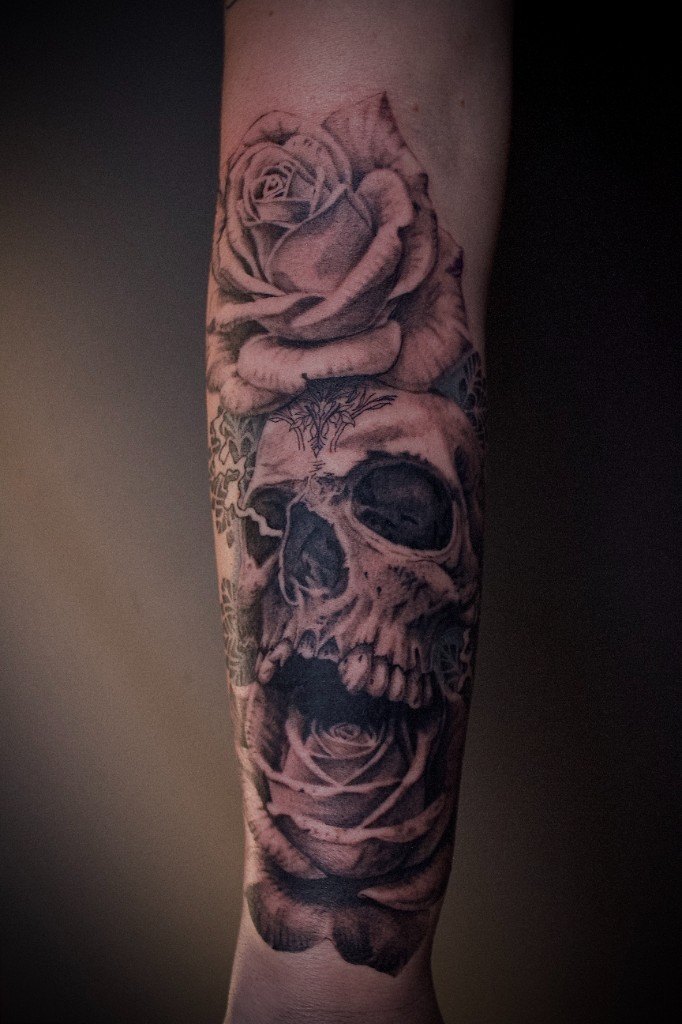
Black and grey realism tattoo of a screaming skull set between two roses on a forearm
( 01 — 03 ) I.

Memento Mori

Black & grey realism · forearm · skull & roses

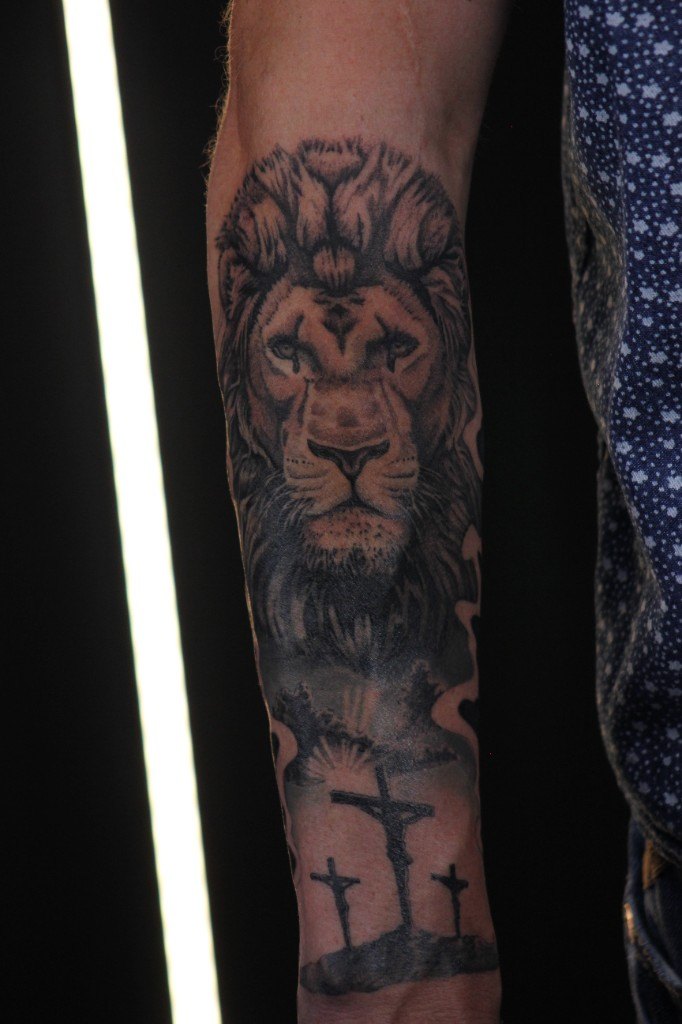
Black and grey realism lion tattoo above three crosses on Golgotha, on an inner forearm
( 02 — 03 ) II.

The Lion

Black & grey realism · inner forearm · Golgotha below

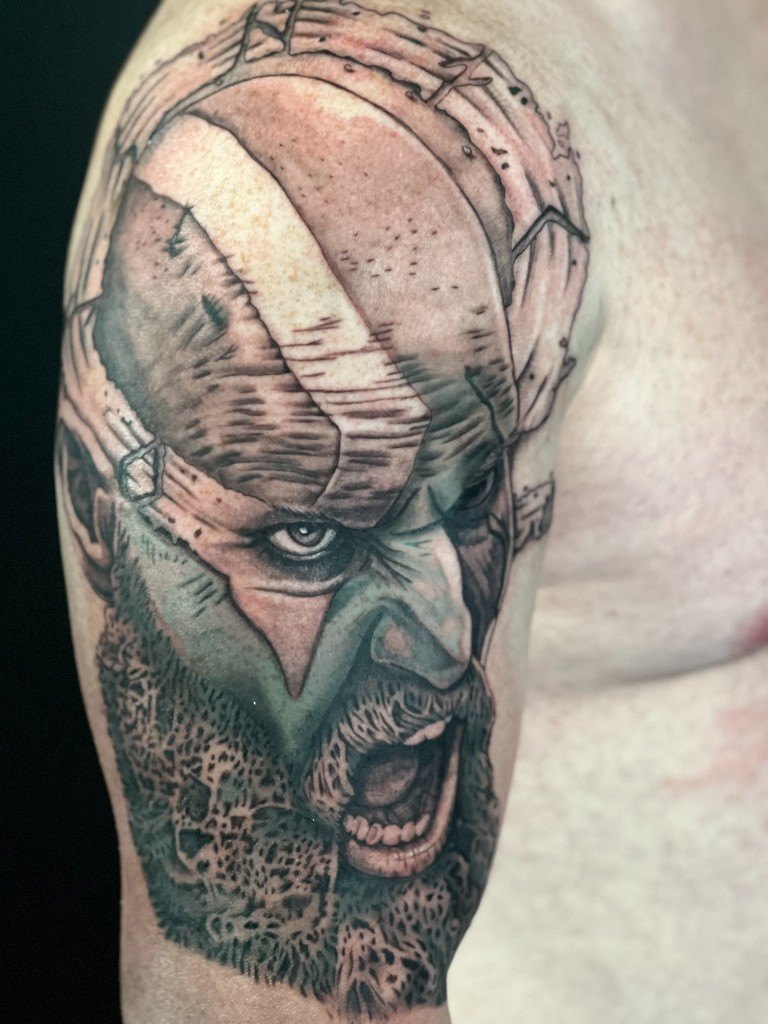
Illustrative realism tattoo of Kratos roaring, on an upper arm
( 03 — 03 ) III.

The War God

Illustrative realism · upper arm · God of War

02 — The hand
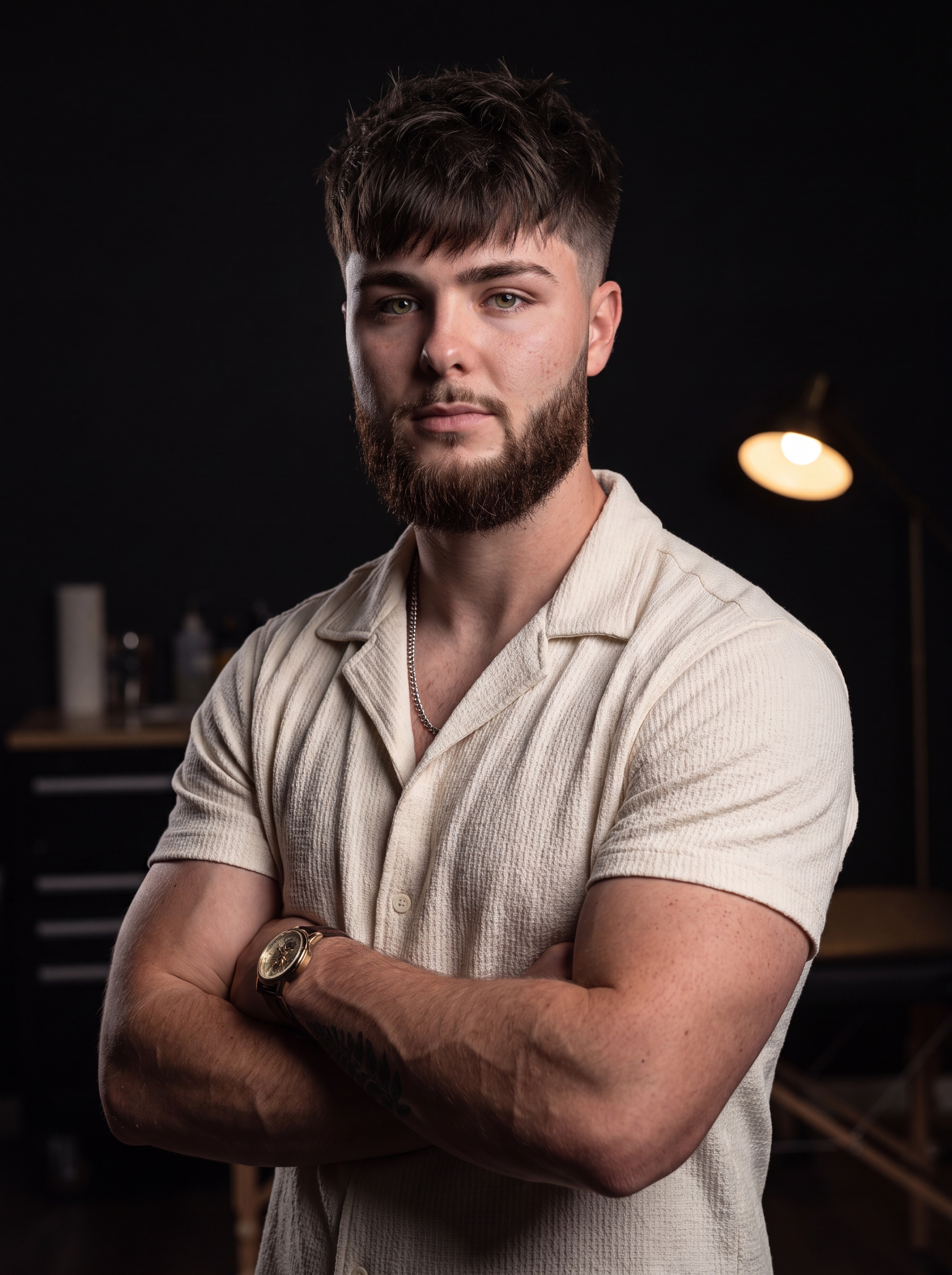
Portrait of Braden Tabor, tattoo artist
Owner · Sole artist

Braden Tabor

One artist, one room. Fine line and single-needle work; black & grey realism; bold blackwork and ornamental composition; illustrative pieces in black or full color. Every design is drawn for the body it will live on — nothing is repeated, nothing is rushed.

Fine line Realism Blackwork Ornamental Illustrative Color
Booking by text — replies within seven days
The making of a mark — three frames

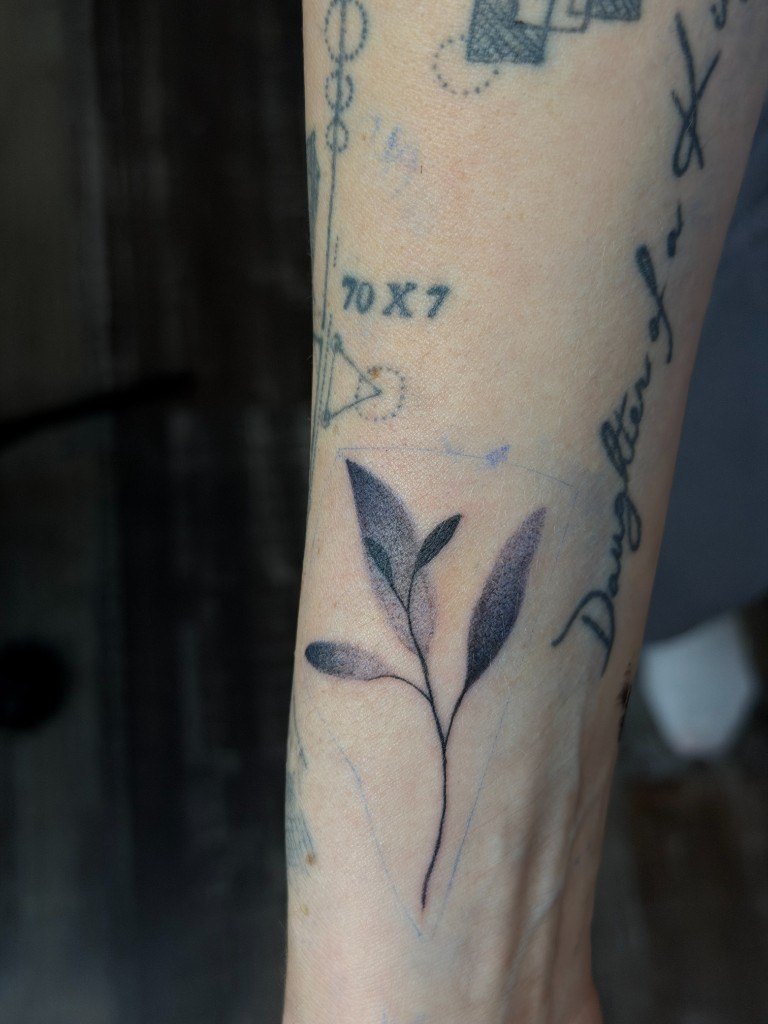
Fine-line leaf sprig tattoo with geometric script on an inner forearm
( i — iii ) i.

The eye

Inner forearm · fine line · stippled leaf

A fine-line sprig, placed with intention — the arm already carries other marks, and the new line has to belong among them. Placement is everything; the design is drawn for one body, one slope, one story.

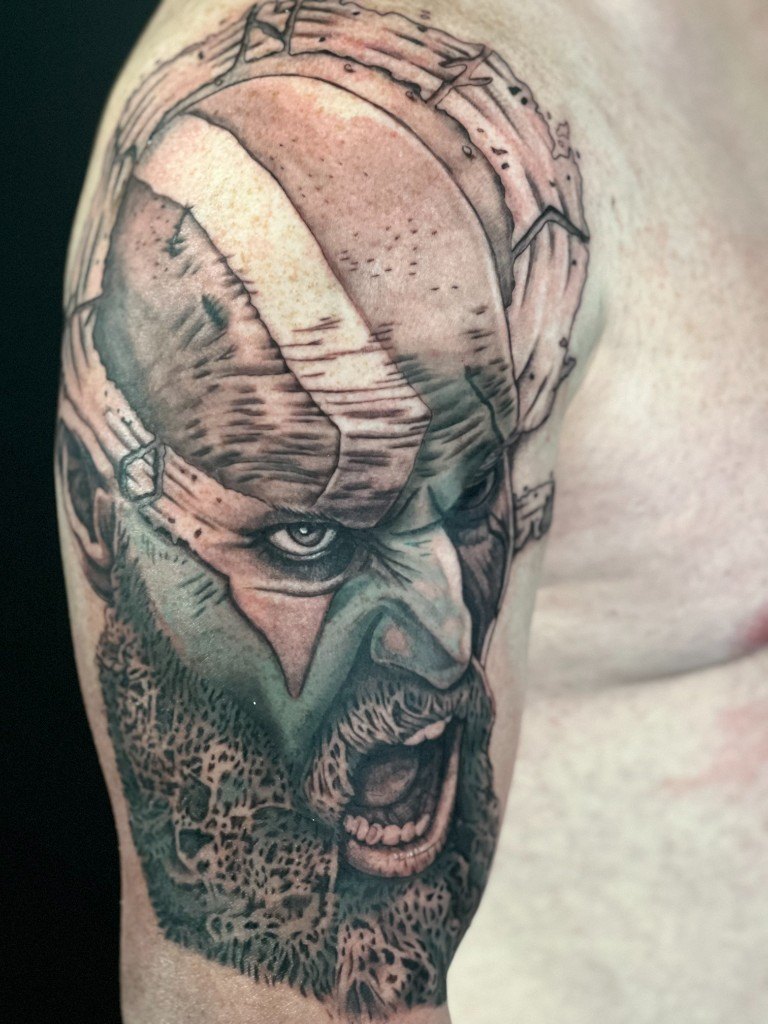
Illustrative realism Kratos portrait tattoo on an upper arm
( ii — iii ) ii.

The hand

Upper arm · illustrative realism · fresh ink

Illustrative realism demands a steady wrist and hours at the machine — every shade in the portrait locked in permanently. Nothing is rushed, because nothing can be done twice.

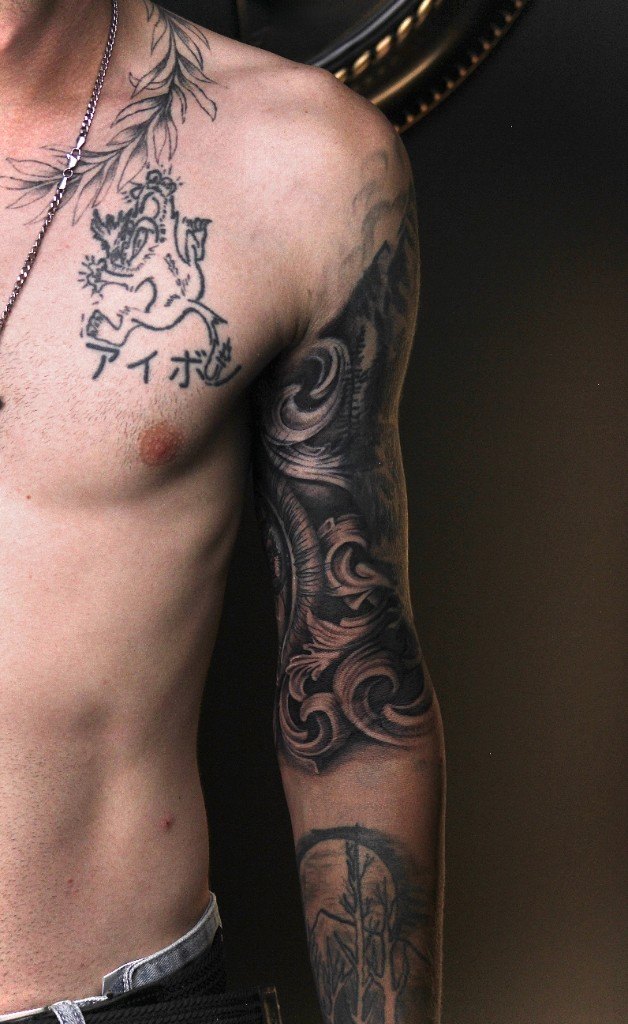
Ornamental blackwork sleeve and chest tattoo under studio light
( iii — iii ) iii.

The quiet

Upper arm & chest · ornamental blackwork

Ornamental blackwork from chest to sleeve — heavy filigree, deep shading, and the stillness when the last pass is done. When the door opens again, the mark leaves the room for good.

03 — The ritual
  1. i.

    Correspondence

    You write — a message to the number below. Tell me what should remain. I answer within seven days: a yes, a no, or a question.

  2. ii.

    The sitting

    One afternoon, drawn slowly. Coffee is poured. The design is composed on the skin, not on paper.

  3. iii.

    The mark

    Needles are opened in front of you. The door is closed to everyone else. The work begins, and ends, in quiet.

04 — Questions
What does it cost?

Work is priced by the piece, and the price is named before the needle touches skin. A deposit holds your appointment and counts toward the final amount. Small work starts around the shop minimum; large work is quoted at consultation.

Does it hurt?

Yes. Less than you fear, and longer than you would like. The sitting is paced to you — you may rest, breathe, or stop whenever you need. Fine-line work is among the gentler disciplines.

How should I prepare?

Sleep well. Eat before you arrive. Drink water for two days prior. No alcohol for twenty-four hours before the sitting. Wear clothing that leaves the placement bare, and bring nothing you cannot sit still with.

Will you rework or cover old tattoos?

Sometimes. Cover-ups and reworks are taken case by case — text a clear photograph of the existing work and what you hope it becomes, and you will receive an honest answer.

Will you copy a design I found?

No. References are welcome — another artist's finished work is not. Everything that leaves this room is drawn once, for one body, and never repeated.

How old must I be?

Eighteen, with government-issued identification in hand. There are no exceptions, and no consent forms that change this.

05 — Afterward

The tattoo is finished in the chair. It is kept in the weeks that follow.

i.

The first night

Leave the covering on as instructed. When it comes off, wash gently with unscented soap and warm water. Pat dry with clean paper. Nothing else touches it.

ii.

The first two weeks

A thin film of unscented moisturizer, two or three times a day. No soaking — no pools, lakes, or long baths. No sun. Loose clothing over the work.

iii.

As it heals

It will flake, and it will itch. Let it. Do not pick, scratch, or peel — the ink beneath is still settling into its permanent home.

iv.

If something seems wrong

Text the studio. A photograph and a sentence is enough. You will hear back quickly — the work is not done until it has healed well.

By text, only

Begin. +1 (870) 365-6644

Harrison, Arkansas — replies within seven days